Back From Sharpening? Check These 5 Things
By SalonScissors editorial team Updated
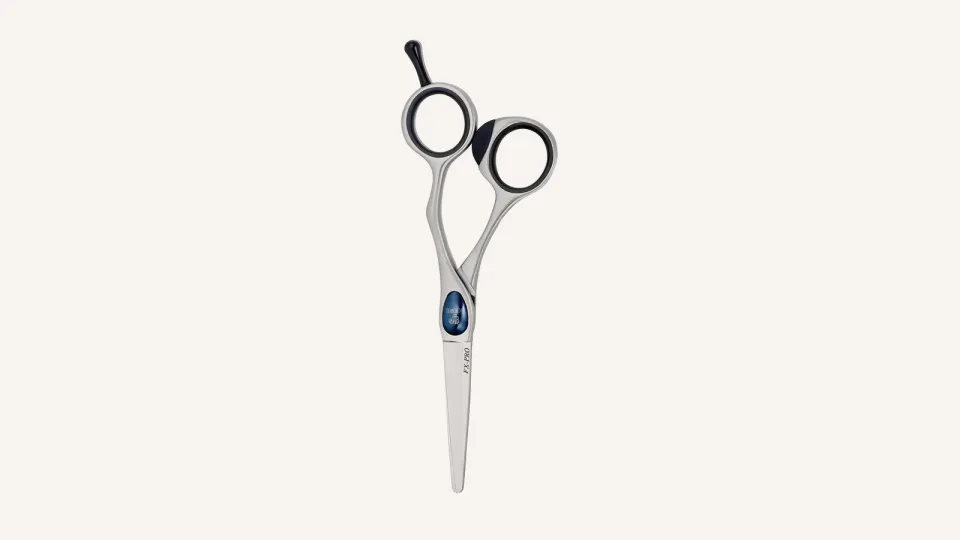
Your main pair is back and the first client’s in at nine. Five minutes of checks now saves a bad surprise mid-cut.
How to check scissors after sharpening
-
Check it’s your pair
Compare the brand, model, size, hand and engraving with your service note or photos. Similar silver cutters are easy to mix up.
-
Try it before your first client
Open and close it a few times, then try a few cuts on a practice tress or a clean, wet section.
Read the report, or ask for one
A good report says what was done: sharpening, realignment, a tension setting or new parts such as a screw or finger rest. Keep it with your maintenance log, so the next sharpener knows the history.
No report? Ask for one. A one-word “sharpened” won’t tell you whether the alignment or tension changed.
If something’s not right
Keep it out of use and don’t adjust it yourself. Contact the sharpener with:
- the note you sent with the pair;
- what’s wrong now, and where on the blade;
- photos of any nick or mark.
Use your backup pair until it’s sorted. If we arranged the service, contact us with the same details.
Common questions
My scissors feel different after sharpening. Is that normal?
A fresh edge can feel sharper and the tension may have been reset. Do the tension check. If they catch, fold hair or grind, contact the sharpener before you use them on a client.
Should I oil scissors after sharpening?
If your maker’s routine includes oil, yes. Kasho says to oil the pivot daily, apart from its Millennium and X-treme Perfection series.
How do I know the sharpener sent back my pair?
Check the engraving, model, size and hand against your note or photos. If anything differs, ask before you use it.
Next step
All good? Put it back in the rotation and log the date. Its next service is usually 6 to 12 months away; the care guide covers the routine until then.