VG-10 vs 440C Scissor Steel
By SalonScissors editorial team Updated
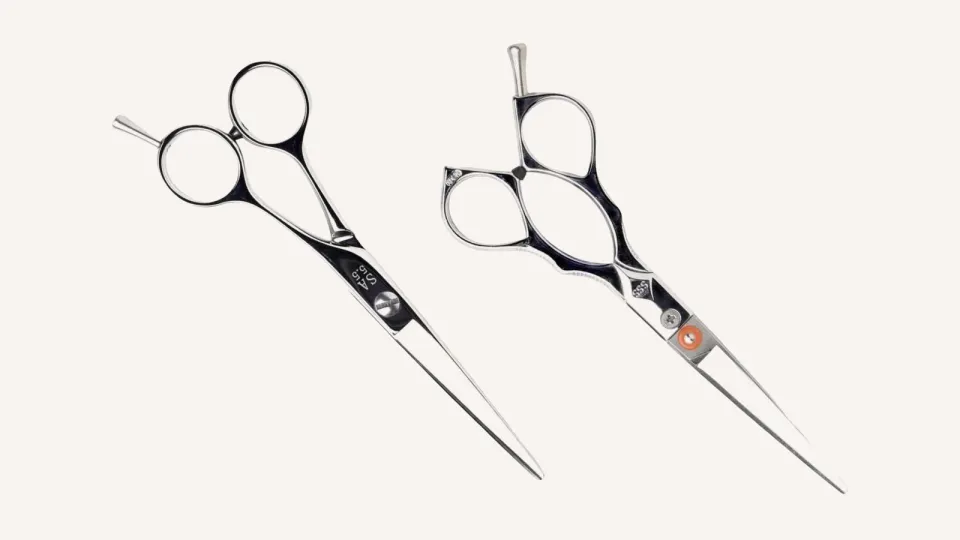
VG-10 and 440C are the two steels named most often in our range, and on paper they’re close: both are high-carbon stainless steels rated at about 60 HRC.
How we chose: Two 440C and two VG10 cutters from our range, picked on maker specs, listings and price. We sell them and haven’t run cutting tests. Prices checked 15 October 2026.
How do VG-10 and 440C compare?
| 440C | VG-10 | |
|---|---|---|
| Made by | Several mills; Carpenter’s datasheet is one | Takefu Special Steel, Japan |
| Carbon | 0.95–1.20% | 1.0% |
| Chromium | 16–18% | 15% |
| Cobalt | None listed | 1.5% |
| Other additions | Up to 0.75% molybdenum | 1% molybdenum, 0.25% vanadium |
| Hardness | About 60 HRC | 60 HRC or more |
Figures come from Carpenter’s 440C datasheet and Takefu’s VG10 page. Japanese makers often write 440C as SUS440C, its Japanese standard name, and the Japan Stainless Steel Association lists the two side by side.
What does the cobalt in VG-10 do?
Takefu says cobalt, chromium and molybdenum strengthen VG-10, and vanadium refines its grain while hard carbides improve wear resistance. In plain words, the edge is built to wear a little more slowly. Takefu also calls it easy to sharpen.
440C answers back with more chromium: 16–18% against 15%. Chromium is the element that makes stainless steel stainless.
Neither is rust-proof. Yasaka says its stainless scissor steels have “strong corrosion resistance, but it is not rust-proof”, so wipe and dry either one after every client.
Same maker, two steels: Yasaka SA vs SSS
Yasaka sells a 5.5” traditional-handle cutter in each steel, which shows what the step up costs: the VG10 SSS is A$50 more than the SA. Yasaka’s English catalogue doesn’t list the SSS, so its VG10 wording comes from our listing.
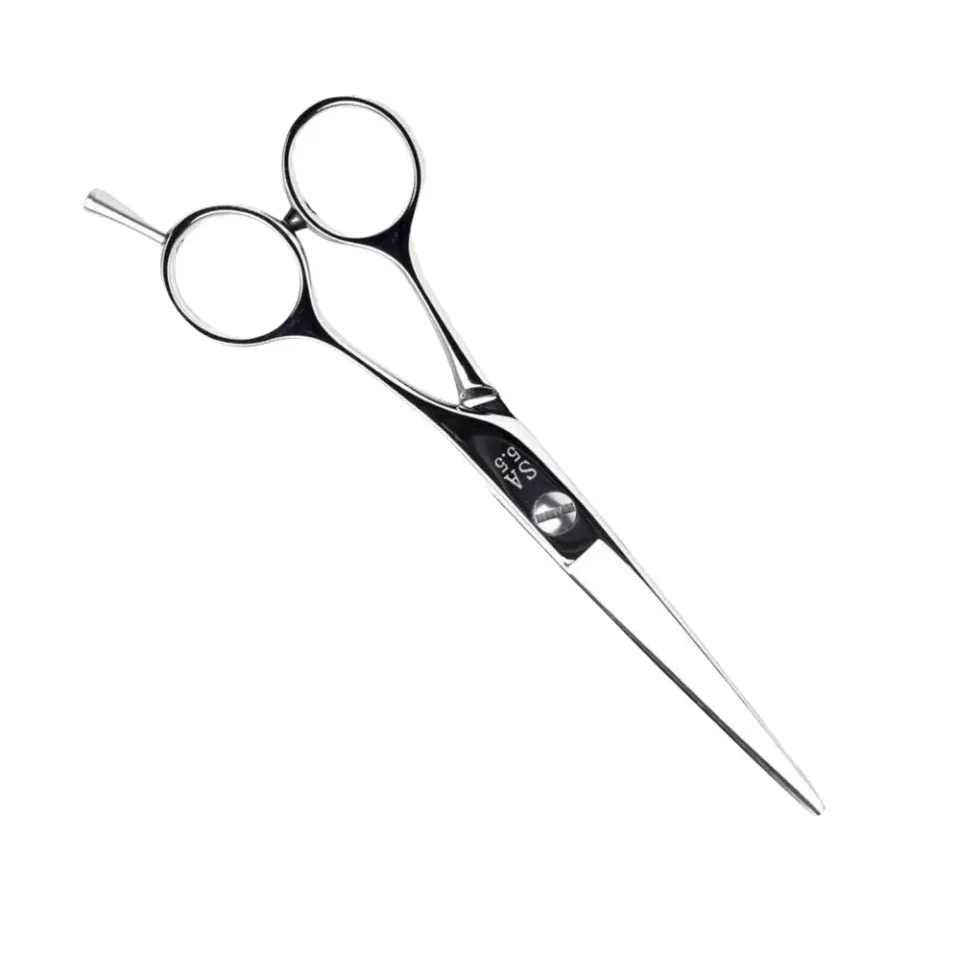
Yasaka SA Classic Precision Scissors
A$399
- Steel
- SUS440C
- Size
- 5.5”
- Hand
- Right
- Handle
- Straight, level rings
- Edge
- Clam-shaped convex slice
Best for lines and graduation with a classic straight handle
Choose 5.5" Inch Cutting Scissor on the product page.
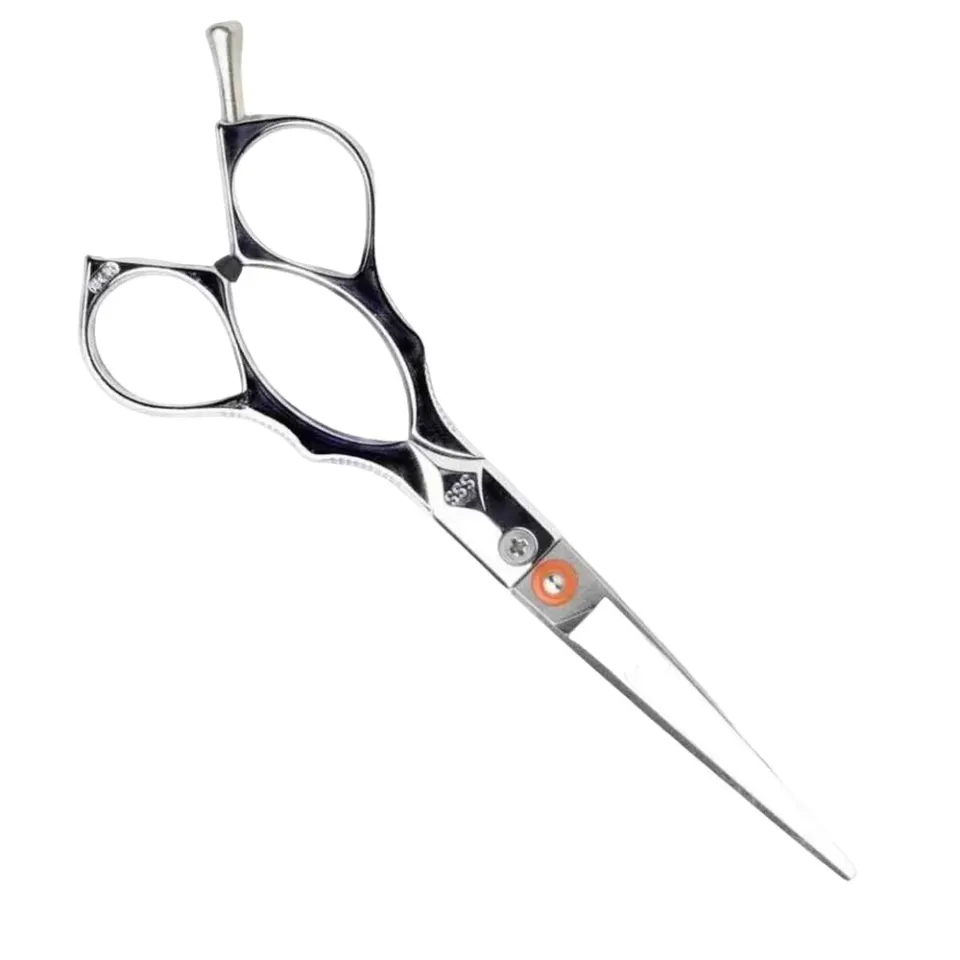
Yasaka SSS Japan VG10 Cutting Scissors
A$449
- Steel
- VG10
- Size
- 5.5”
- Hand
- Right
- Handle
- Traditional, level rings
- Edge
- Slice
Best for close work with a compact classic handle
One size, so there’s nothing to select.
They’re different models, not one scissor in two steels. The SA has a clam-shaped convex edge and Yasaka’s spec gives it a 60 mm blade; the SSS has a slice edge. Those details change the feel more than the steel will.
Which should you pick?
- Apprentice or first pair: 440C. The Mina Sakura II gives you a convex edge and an offset handle for a starter budget.
- Backup pair: 440C. It’s the same hardness on paper, and a spare doesn’t need the extra spend.
- Upgrading your everyday cutter: VG-10, if the handle and length match what you use now. Change one thing at a time.
- Barber: buy the length first. A 7.0” in either steel covers the comb; the Juntetsu VG10 Ergo is VG10, and the Mina Sakura II comes in 7.0” in 440C.
- Left-handed: buy the hand first. The Yasaka LEFT is listed in 440C, in 5.0”, 5.5” and 6.0”.
Common questions
Is VG-10 harder than 440C?
Barely, on paper. Takefu rates VG-10 at 60 HRC or more and Carpenter gives 440C about 60 HRC. How the scissor maker heat-treats the blade decides the finished hardness.
Does VG-10 stay sharp longer than 440C?
Takefu builds VG-10 for wear resistance, so it should wear a little more slowly. Drops, dry cutting and your workload still decide when either one needs a sharpen.
Is SUS440C the same as 440C?
It’s the Japanese standard name for the same type of steel. The Japan Stainless Steel Association puts SUS440C and 440C in the same row, though each standard has its own limits.
Do they need different care?
No. Wipe and dry the blades after every client, keep them in a case and follow your maker’s oiling advice. Both are stainless, and neither is rust-proof.
Next step
Want the full picture on each steel? Read the VG-10 guide or the 440C guide. Ready to shortlist? The scissor finder matches pairs to your hand, length and budget.