Apprentice
Learning to cut
Learn the parts and the words first, then what a first kit really needs. Check your course kit list before you spend anything.
Plain-English answers on choosing, using and caring for hair scissors, written for hairdressers, barbers and apprentices.
Last updated , the newest change to any page listed here. Written by the SalonScissors editorial team. How we choose and check.
The knowledge base is the part of SalonScissors that explains hair scissors before it sells you any. It covers how a pair is built and named, how to choose one for the cuts you do, how to use it well, and how to keep it cutting.
It's written for four readers: the apprentice buying a first pair, the stylist or barber who cuts all day, the salon owner who looks after a team's tools, and the buyer in New Zealand or overseas who wants the knowledge even though we deliver within Australia. Guides explain first and name products second, and when a page picks a pair it says how we chose.
Four short paths. Each one lists the pages worth reading first for that job.
Apprentice
Learn the parts and the words first, then what a first kit really needs. Check your course kit list before you spend anything.
Stylist
Match the scissors to the cuts you do most, then fine-tune the edge, the handle and the fit.
Salon owner
Know what you own, keep a backup for the chairs that need one, and note when each pair was last serviced.
Buyer in New Zealand or overseas
The guides apply wherever you cut. SalonScissors delivers to Australian addresses only, so use the fellow ShearAlliance member for your country when you are ready to buy.
Every guide on the site that belongs here is filed under one topic below. New guides join their topic automatically.
Choosing a pair comes down to five things: your cutting hand, the size that suits the cuts you do most, the handle that suits your grip, the edge, and your budget. These guides take them one at a time, and the buying guides name a pick for each reader.
New to salon scissors? Find the right guide fast: buying a first pair, choosing a size or hand, barber and apprentice picks, cleaning, care and sharpening.
What to buy first, what to upgrade to and which specialist tools earn a place, with a pick and a price at each stage, for salon stylists and barbers.
Fine hair slips, folds and shows every chunk. The edge, size and thinner that suit it, with picks for blunt lines, soft ends and thinning at 15% or less.
Why left-handers need a true left-handed pair, how to spot one, and our four picks from A$114.95 to A$649 from Mina, Ichiro, Yasaka and Joewell.
Blender, thinner, texturiser or chunker: which one each job needs, why the cut ratio matters more than tooth count, and a pick for each job.
Our hairdressing scissors run from A$114.95 to A$2,499. What each price band buys, a pick in each band, and what to add for a case, care and delivery.
Build a left-handed kit: buy the cutter first, add a left-handed thinner when you need one, or get both in a set for less. Picks from A$174.95.
A fair way to compare two similar hair scissors: match the hand, measure blade length, read the edge, ignore steel hype, and weigh service, returns and price.
Also useful: Scissor finder: four questions, a short list · Size guide · How to Choose Salon Scissors: Hand, Size, Handle, Budget · 7 Mistakes When Buying Your First Hair Cutting Scissors
Point cutting, slide cutting, layering and blunt cuts each ask something different of a pair of scissors. Point cutting works the tips into the ends of a section, slide cutting travels along the hair, layering builds length changes through the head, and a blunt cut is one clean line. These guides say which scissors help each one.
Every cutting guide in one place: scissors for each haircut and each technique, barber and over-comb tools, thinners, and how to plan and check a haircut.
Bobs, fringes, layers, long hair, curls, graduation and barber cuts: the blade length, edge and thinner each one suits, with a real pick and price.
Which scissors suit each cutting move: blunt lines, fringes, point and slide cutting, scissor-over-comb and thinning, with an example pair for each.
A short haircut checklist: what to ask in the consultation, how to read the hair wet or dry, where the tool choice fits and how to check the finish.
When to use clippers or scissors over the comb on a short back and sides, plus the scissor length, blade and comb for fades, tapers and necklines.
What blunt or club cutting is, how to cut a clean line step by step, why tension and sections decide the result, and which scissors suit blunt lines.
Principles for cutting curly and coily hair with scissors: judging curl and shrinkage, working curl by curl, tension, thinning and what to look for in a pair.
How to cut fringes and short layers with scissors: reading growth and parting, starting long, working close to the skin safely and choosing a short pair.
How layers work: elevation, sectioning and guide lengths explained, a step-by-step method, the checks that catch uneven layers and the scissors to use.
How to hold hair scissors, which finger goes where, how wide to open the blades and how to handle them safely between cuts, with common beginner mistakes.
Working left-handed in a right-handed trade: how a true left-handed scissor differs, how to adapt what you're taught, and how to set up your station.
How point cutting works, how to do it in six steps, how deep to go, the mistakes that leave ends choppy, and what to ask of your scissors.
Which scissor length suits which technique: detail and fringes, everyday cutting, long sections and over-comb work, and why inch size isn't blade length.
How section size, parting direction and tension change a scissor cut, with a simple practice routine and the mistakes that cause uneven lines and folded hair.
Slide cutting glides open blades along the hair to soften and remove weight. Learn the method, the common mistakes and what your scissors must do.
How to use thinning and texturising scissors on fine, medium, thick, wavy and curly hair: where to place them, how much to take and what to avoid.
Wet cutting versus dry cutting: when each helps, how hair length and tension change, what it means for edges and care, and how to choose for each client.
Also useful: Apprentice Cutting Checklist: Before, During and After
The edge decides how the blades meet the hair, the handle decides how the pair sits in your hand, and fit decides whether you can control it for a whole day. A maker's spec is a good starting point for all three, and these guides explain what each term on a listing tells you.
Convex, semi-convex, bevelled or micro-serrated: what each edge does, which suits slide cutting or blunt lines, how to sharpen convex, and a pick for each.
Straight, offset, crane and swivel scissor handles compared: where your thumb sits, who each suits, how rings should fit, and one pair to try in each.
Working comfort in one place: the handle layout for your grip, how the rings should fit, where scissors rest between clients, and a backup pair.
Check a new pair fits before you cut hair: the right hand, the rings, the reach and when finger inserts help, plus what to do if it doesn’t fit.
What a thinning scissor's cut ratio means, why tooth count can't predict it, and which ratio suits blending, weight removal or texture, with real figures.
What DLC, titanium and rainbow coatings are on hair scissors, whether coloured finishes wear off, how to care for them, and a pick in each finish.
How to read scissor product photos: find the whole-tool view, judge the handle, ignore how big it looks, and check teeth and set contents on the listing.
What 440C, VG-10, ATS-314, SG2, cobalt and Damascus mean on a hair scissor, how hard each one gets, which to buy at each stage, and our pick in each.
Convex, semi-convex, bevel and micro-serrated edges explained simply: what each word means, what it does to hair and the questions to ask about any edge.
How straight, offset, crane and swivel handles change where your thumb, fingers and wrist sit as you cut, with a simple way to judge fit for your work.
Also useful: Hair Scissor Blades Explained: Convex, Serrated and Sword · Dull Hair Scissors: Why They Fold Hair and How to Fix Them
Brush, wipe and dry the blades after every client, then follow your maker's advice on oil and tension. These guides cover that routine, what makers say about their own models, what to do after a drop, and what to check when a pair comes back from sharpening.
Everything on caring for salon scissors in one place: daily cleaning, oil and tension, sharpening, drops, backups and checking a new or serviced pair.
A simple care routine for salon scissors: clean after every client, oil and check tension as your maker says, store them safely and know when to service.
What Joewell, Kasho and Yasaka say about cleaning, oiling, tension and sharpening their scissors, in plain steps, with each maker’s own page linked.
Dropped your salon scissors? Stop cutting, check the tips, edges and pivot, keep them closed and get them serviced before they go back on a client.
Scissors back from the sharpener? Check it’s your pair, look along the edge, do the tension test, read the report and try them before your first client.
A backup pair covers you while your scissors are sharpened. How to pick one that suits your hand and work, with budget picks for salon and barber backups.
A simple routine for a working day: what to do before the first client, between clients, after colour and at close, to keep scissors clean, dry and ready.
How to carry, protect and care for hair scissors on the road: cases, closed blades, keeping clean and used pairs apart, checks after a knock, and a spare.
Ten questions to ask a hair scissor sharpener about edge type, alignment, turnaround and warranty, and what a good answer covers before you hand over a pair.
Also useful: Care guide · How to Clean Hair Scissors: Daily Routine and Oiling · 10 Hair Scissor Care Mistakes and What to Do Instead · How to Get Scissors Ready for Sharpening or Service · Sharpening: ask us for a quote
SalonScissors delivers to Australian addresses, and the ShearAlliance has a fellow member for New Zealand and other countries. These guides cover buying online with confidence, spotting genuine scissors, and what to expect from delivery, returns and warranty.
Eight checks before you buy salon scissors online: the exact option, hand, size and set contents, the full price, the returns and the paperwork to keep.
How to check salon scissors are genuine: buy from a seller the maker recognises, match the markings and paperwork, and know when to ask the maker.
Japanese salon scissors delivered to Sydney: a short pair for fringes, a long one for over-comb, a mixed-day length, NSW cleaning rules and delivery.
Japanese salon scissors delivered to Melbourne: 5.5" or 6.0", offset or level rings, a matching thinner, where to try or sharpen locally, and delivery.
Japanese salon scissors delivered to Brisbane: which length to buy, how to keep blades dry in humid weather, Queensland's hygiene rules and two picks.
Also useful: Shipping · Returns · Warranty and faults · Authenticity · 5 Checks Before You Buy Premium Hair Cutting Scissors
An apprentice needs one good cutter, a kit list from the course and a care routine. A salon owner needs the same for a whole team, plus backups and a record of what has been serviced. These guides cover both jobs.
The best first scissors for hairdressing apprentices: a starter cutter, a starter set, whether you need a thinner in first year, and a first-year budget.
What a hairdressing apprentice or TAFE student should buy first, what to buy when the course asks, and what can wait, with questions to ask before you spend.
How salon owners can buy scissors for a team: what to standardise, how many spares to hold, who owns the tools, how to stage the spend and what to ask.
Also useful: How to Audit Your Salon’s Scissors: A Simple Checklist · Salon Scissor Maintenance Log: What to Record and When · When to Upgrade Your First Hair Scissors (and What to Buy) · Wholesale and trade
Stuck on a word on a listing? The glossary explains it in plain English and links to the guide that goes deeper. The FAQ answers the questions that come up before and after an order.
Short answers on choosing scissors, ordering, delivery, care and returns.
Every word on a hair scissor listing in plain English, plus the cutting, hair and care words stylists use, each with a quick tip and a link to go deeper.
Also useful: Help Centre: delivery, returns and care · 20 Beginner Questions About Hair Cutting Scissors, Answered
Shortlists you can scan in a minute. Each one says how the list was chosen, who each pick suits and what to keep in mind. We sell the pairs on them and haven't run cutting tests, so read them as picks from the specs.
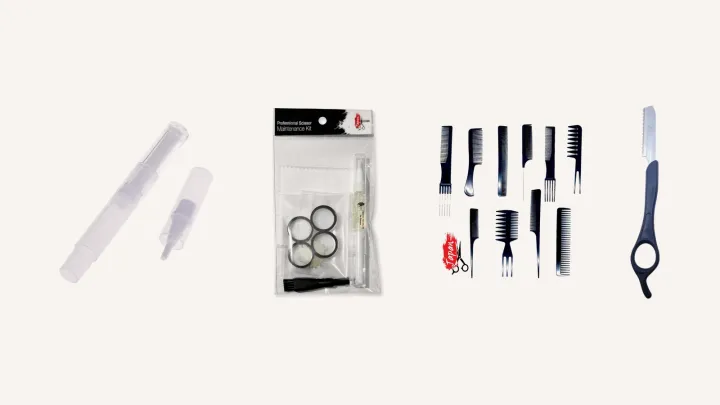
Seven gifts for hairdressers under A$100: care kit, oil pen, scissor case, comb set, leather sleeve, feathering razor and roll bag, with what to check.
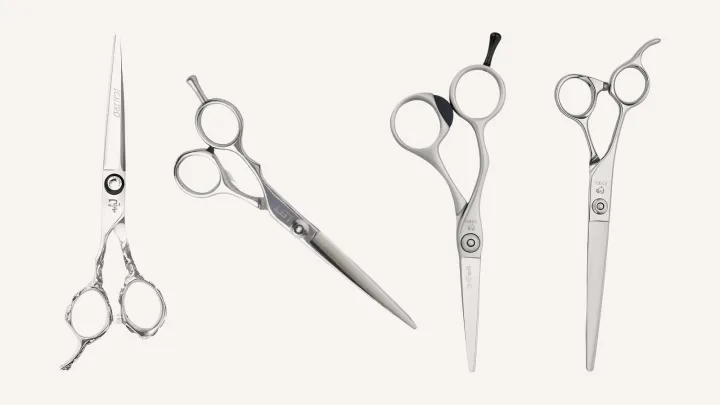
Choose left-handed hair scissors by size: one true left-handed cutter for each length from 4.5 to 7.5 inches, with what each size suits and the trade-off.
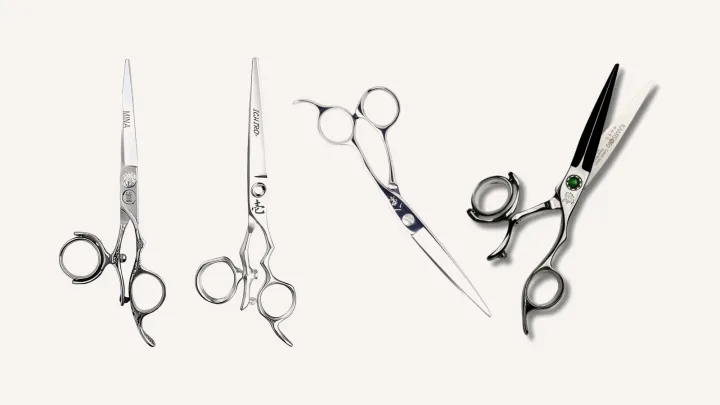
Six swivel and crane handle hair cutters compared: which rings rotate, sizes, hands and who each suits, from a budget Mina to Kamisori double swivels.
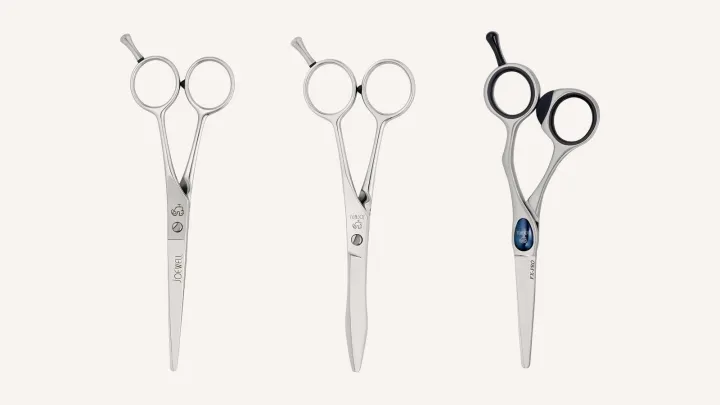
Ten hair scissor myths busted: blade length, tooth count, Japanese steel, hardness, convex edges, left-handed pairs, handles, oil, folding hair, coatings.
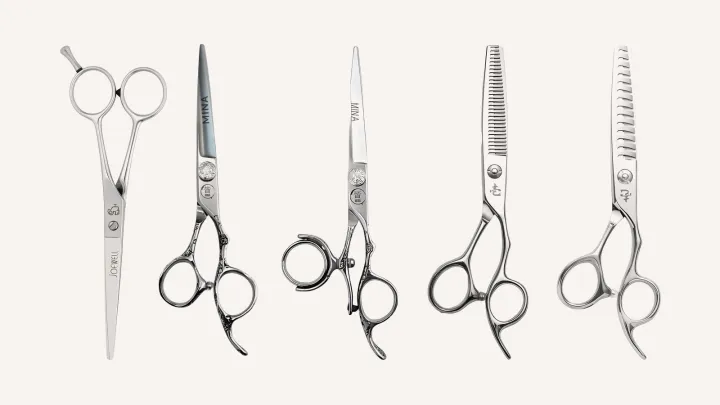
Ten pairs of hair scissor terms people confuse: size and blade length, convex and bevel, offset and crane, tooth count and cut ratio, and more.
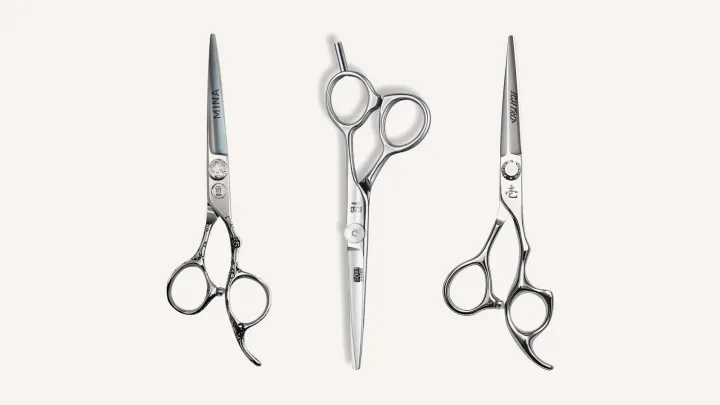
Ten layering tips for stylists and apprentices: guide lengths, sectioning, elevation, tension, travelling guides and cross-checks, plus when to thin.
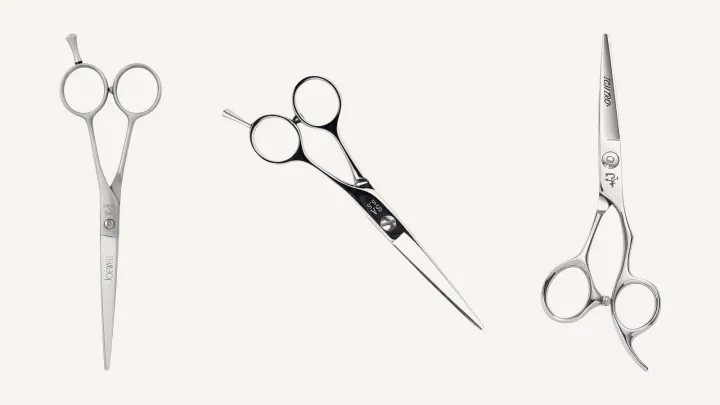
Ten point cutting tips for stylists and apprentices: when to use it, how deep to snip, how to hold the scissors and how to check the finish dry.
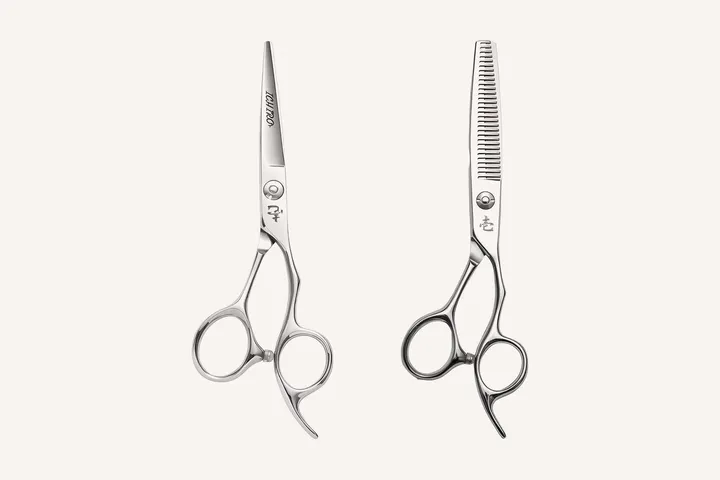
Ten questions apprentices ask once the scissors are in hand: tension, oil, tired hands, left-handed use, folding hair, sharpening, borrowing and drops.
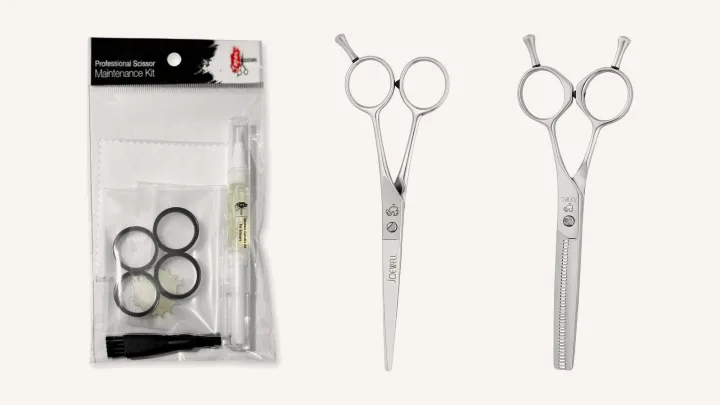
Ten scissor care habits for a whole salon team: cleaning, drying, a home for every pair, one routine per maker, a drop rule, backups and an audit.
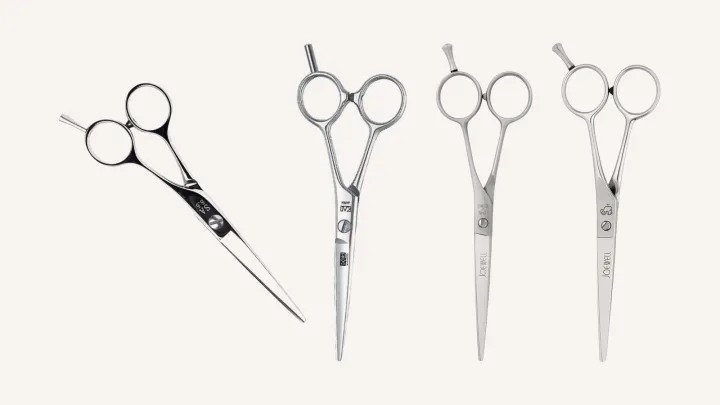
Ten straight handle hair cutters with level rings, from a budget Mina to Joewell Classic: sizes, hand, edge and one trade-off for each, cheapest first.
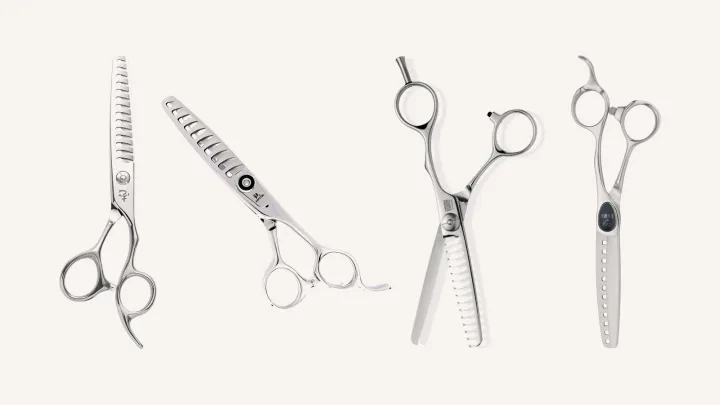
Ten texturising scissors and chunkers with fewer, wider teeth than a blender, with the hand, the tooth count and one trade-off for each, cheapest first.
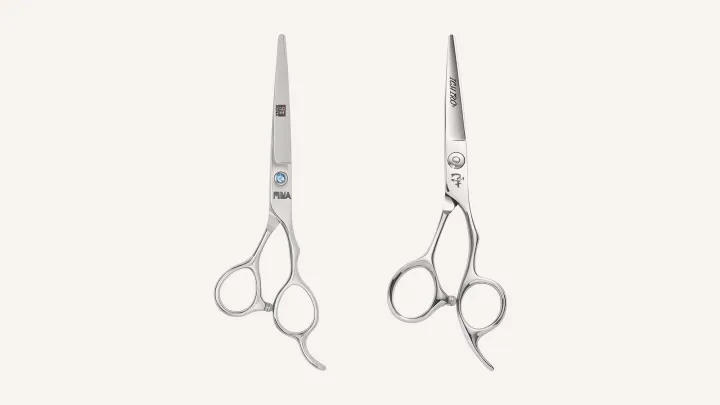
Ten things to check on a first pair of hair scissors: your kit list, hand, size, ring fit, handle, edge, steel, tension, seller and the budget for care.
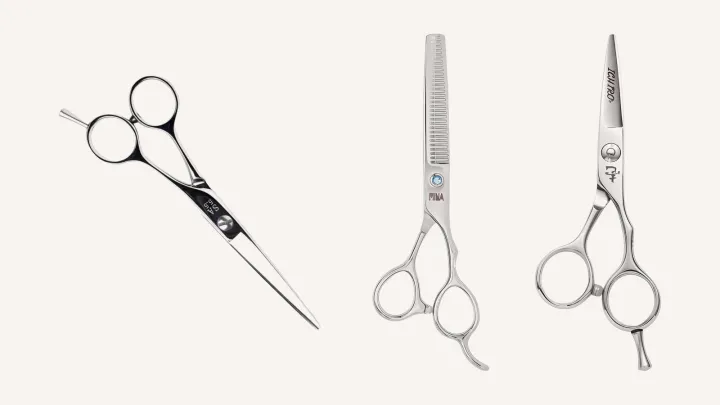
Ten technique tips for cutting curly hair with scissors: read the curl pattern, plan for shrinkage, cut dry, work curl by curl, remove weight on purpose.
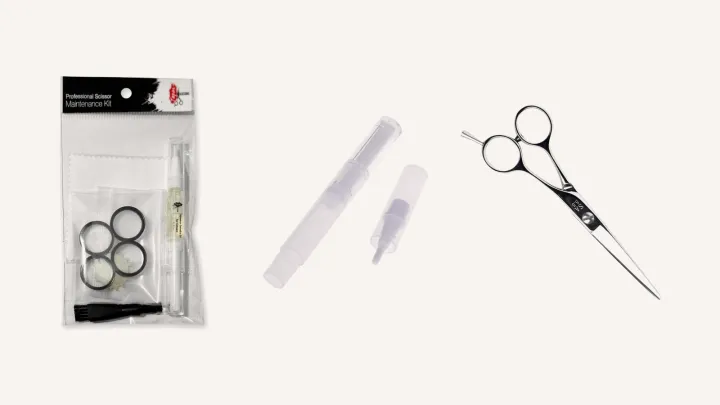
Ten ways to get more years from salon scissors: fit, a first check, hair only, rotation, closing them, drying, oil, tension, carry cases and early service.
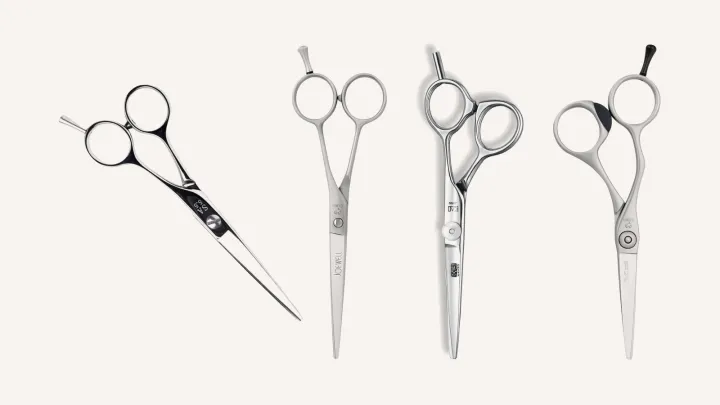
Ten cutters between A$200 and A$500, each picked for one job: level rings, a left-hand pair, long blades, slide cutting, fine detail, with hand and size.
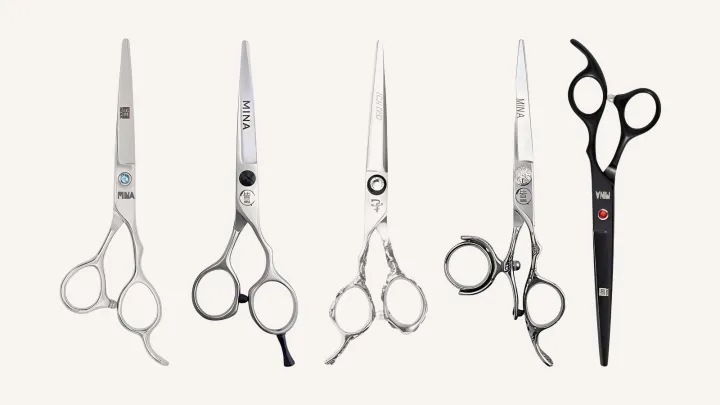
Our 7 cutters under A$200: the Mina Umi from A$114.95, Ichiro Ergo for apprentices, Mina Classic II for blunt lines, Dark Gem for barbers and two left pairs.
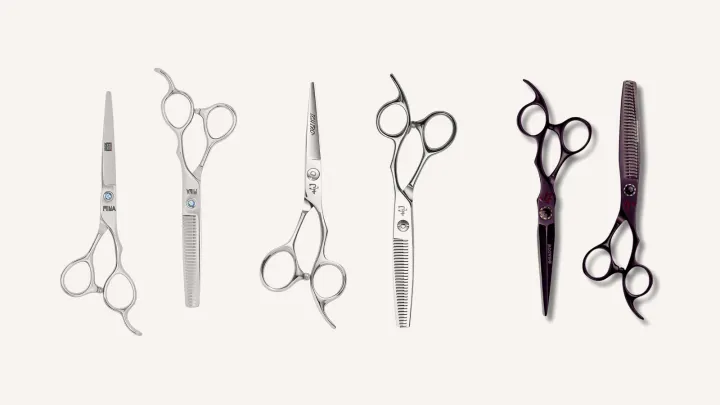
Our 10 cutter and thinner sets: the Mina Umi for a first kit, the Ichiro Ergo for apprentices, the Rose Lefty for left-handers and Yasaka's for barbers.
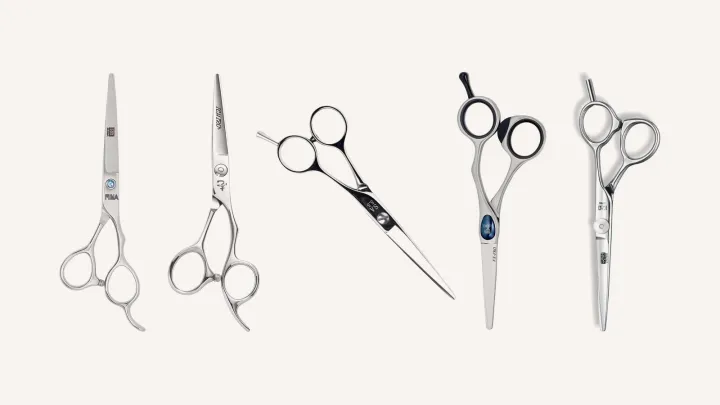
Our 10 hair cutting scissor picks: the Mina Umi for a first pair, the Rose Lefty for left-handers, the Yasaka SA for level rings and the FX PRO for reach.
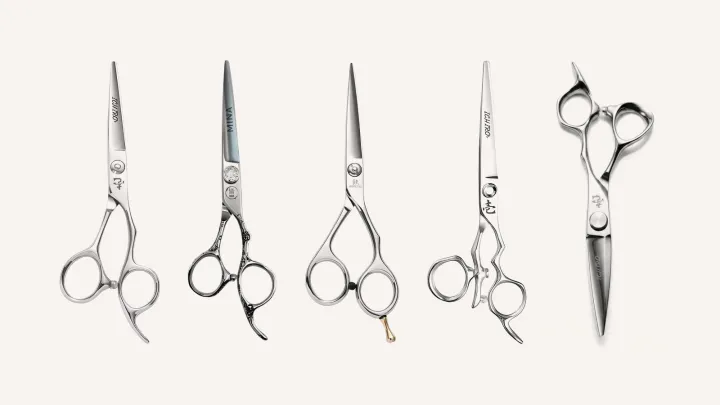
Our 10 Japanese picks under A$300: the Ichiro Ergo for apprentices, Juntetsu Classic II for slide cutting, the Chomper Wide for barbers and two lefties.
Our 10 Japanese picks, mid-range to premium: the Ichiro Taiyo under A$300, Yasaka SA for level rings, Classic PRO for detail and FX LEFTY for left-handers.
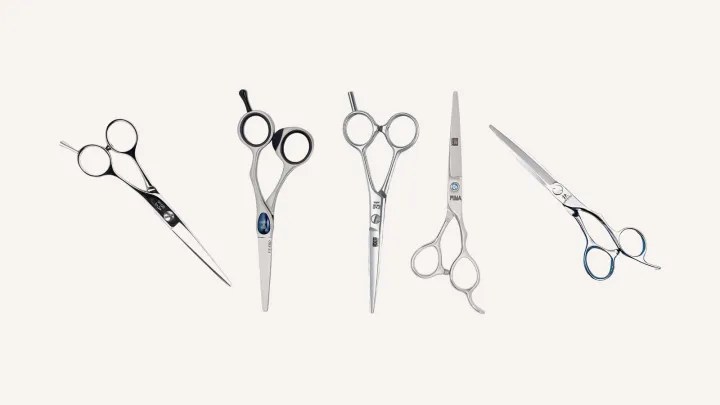
The top 10 Japanese scissor brands: who each maker is, what it's known for and where to start. Six we stock, plus Mizutani, Hikari, Yamato and Fuji.
Our 10 true left-handed cutters: the Mina Umi on a budget, Yasaka LEFT for everyday work, Joewell LC LEFTY for level rings and the LSF Lefty for barbers.
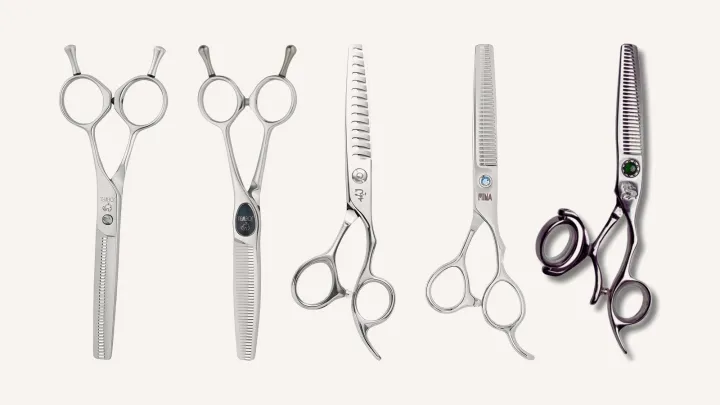
Our 10 thinning and texturising picks: a Mina Umi blender to start, the Ergo for apprentices, Ichiro 16T for texture and Kamisori Revolver III for lefties.
The knowledge base covers the tool and how to choose it. For other angles, these are good next stops.
SalonScissors delivers to Australian addresses only (see our shipping page). In one of these countries, go to the fellow ShearAlliance member there. New Zealand readers will find theirs first in the list.
Scissorpedia and Japan Scissors are fellow members of the ShearAlliance (see ShearAlliance), a group of retailers, brands and information websites that share an interest in hair scissors. Prices, delivery and returns are set by each member, so check them on that member's site before you order.
SalonScissors, BarberScissors, JapanShears, Japan Scissors and Scissor Hub are run by the same seller: Nippon Shears Pty Ltd ACN 641 863 578 acting as trustee for The Adams Scissor Trust ABN 68 501 252 754. That is one seller behind five storefronts, so treat them as one seller's range, not as second opinions on each other. The members outside Australia are fellow ShearAlliance members.