What to Ask a Scissor Sharpener Before You Hand Over a Pair
By SalonScissors editorial team Updated
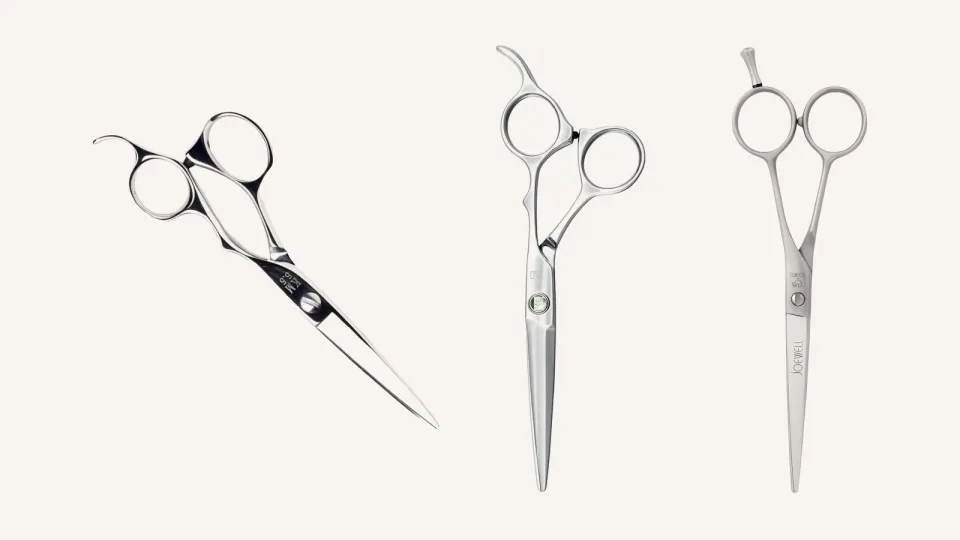
Ask a sharpener what edge they work on, how they keep its shape, whether they check alignment and tension afterwards, what is included in the price, how long you’ll be without the pair, and whether it affects your warranty. A good sharpener answers plainly, and wants to know your model and what the pair has been doing.
How we chose: Questions follow our care guides and maker service notes. Reviewed 4 November 2026. We sell scissors and take service enquiries. No sharpening prices are given here.
Why does the choice of sharpener matter?
A scissor edge is a precise shape, and sharpening removes metal. Done well, it restores the cut. Done badly, it can change the edge, leave the alignment off or damage the pivot area. Different edges need different handling, so the first thing to find out is whether the sharpener knows yours.
You don’t need to know the technical detail. You need a few direct questions, and answers that make sense.
What are the ten questions?
| # | Ask | A good answer covers |
|---|---|---|
| 1 | What edge types do you sharpen? | Convex, bevel, micro-serrated and thinning blades by name |
| 2 | How do you keep the edge’s shape? | A clear description of the method, in plain words |
| 3 | Do you check alignment and tension? | Yes, with a check after sharpening |
| 4 | What does the price include? | Edge, alignment, tension and any cleaning, itemised |
| 5 | Will you call before doing extra work? | Yes, before replacing parts or repairing damage |
| 6 | Can you repair nicks and bent tips? | What’s possible, and when a pair is beyond repair |
| 7 | How long will it take? | A realistic time, plus how you get it back |
| 8 | Does this affect my warranty? | The maker’s rules for your model |
| 9 | Do you service left-handed pairs and thinners? | Experience with both |
| 10 | Will I get a report on what was done? | A note on what they found and did |
Save this list on your phone and use it for the first call.
What do the answers mean?
Edge type (questions 1 and 2). Convex, bevel and serrated edges are shaped differently, and the method must preserve the shape. What matters is that the geometry survives, so ask how they do it. Our edge guide explains each edge, and our convex edge guide covers sharpening convex blades.
Alignment and tension (question 3). A sharp edge is only useful if the blades meet properly. A sharpener who checks and sets alignment and tension afterwards is looking after the whole pair, not just the edge.
Price and scope (questions 4 and 5). Ask what is included so there are no surprises. “Will you call first?” protects you from a bill for work you didn’t expect.
Damage (question 6). A nick, a bent tip or a loose pivot is a different job from a dull edge. Our dropped scissors guide covers what to do first.
Time (question 7). Turnaround affects your bookings. Plan a backup pair to cover the gap.
Warranty (question 8). Some makers have their own service rules. Check the maker’s care page for your model, and our warranty page for ours.
What should you tell the sharpener?
Give the brand, the model, the size and the hand. Describe what the pair is doing and where on the blade, when it started, and whether it has been dropped or adjusted. Our guide to preparing scissors for sharpening includes a note builder and packing steps, and our maintenance log guide shows how to keep a history.
What mistakes do people make when choosing a sharpener?
- Choosing on price or speed alone. Ask the questions first.
- Not saying what the pair does. “Needs sharpening” isn’t a description.
- Adjusting the tension before sending. Leave it as it is and say what you’ve checked.
- Skipping the check when it comes back. Look over the pair before the first client. Our return check shows how.
- Forgetting thinners. Toothed blades need a sharpener who works on them.
- Sharpening at home. We don’t recommend reshaping a salon edge yourself.
What should a good service look like when the pair comes back?
A pair that has been serviced well should close smoothly, cut a clean line on a test section and feel the same in your hand as before. Look for a short report on what was done, and check that nothing else has changed, such as the tension screw or the bumpers.
Use our return check on the day it arrives, before the first client. If something still isn’t right, contact the sharpener at once and keep the report and the packaging.
Common questions
How often should scissors be sharpened?
There is no fixed schedule. It depends on how much you cut, the hair, your care and the pair. Book a service when the pair folds, pushes or catches hair after a clean and tension check, and straight away after a nick or a drop.
Can any knife sharpener sharpen hair scissors?
Not necessarily. Hair scissor edges are shaped differently from knife edges, so ask whether the sharpener works on your edge type before you hand over a pair.
Should I use the maker’s service?
Check the maker’s rules for your model. Some makers ask that only their own service work on their scissors. Our maker care page collects what the makers say.
Can you arrange sharpening for me?
You can send us an enquiry with the brand, model and what the pair is doing, and we’ll explain the options before you post anything. See our sharpening service page.
Next step
Describe your pair and ask us about sharpening or service. For a pre-service checklist, read how to get scissors ready for sharpening.
Further reading
For a reference on edges and servicing terms, Scissorpedia is an information site about hair scissors. Scissorpedia is a fellow member of the ShearAlliance (see ShearAlliance). More topics are in the knowledge base.