Hair Scissor Steel Guide
By SalonScissors editorial team Updated
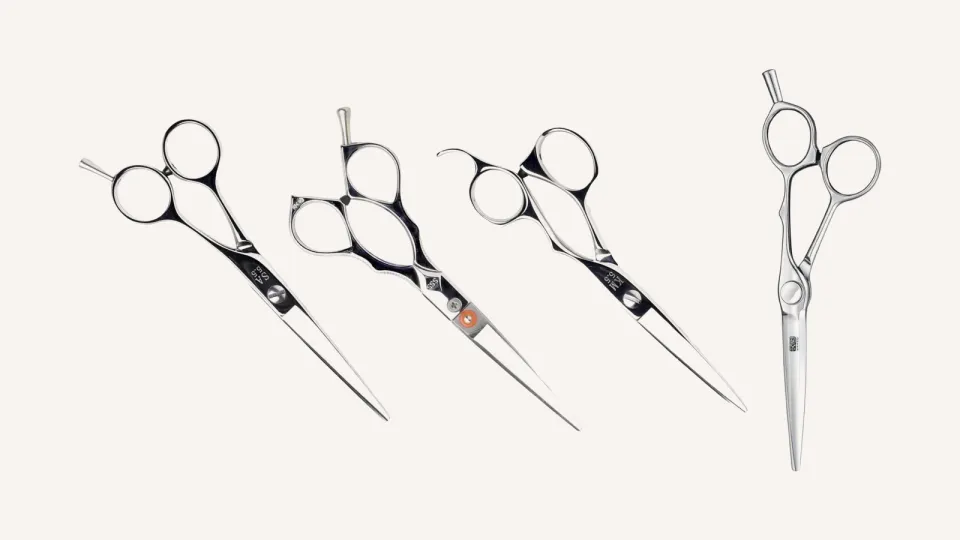
The steel sets how hard an edge can be made. The maker’s heat treatment, grind and handle decide how the pair cuts.
How we chose: Four picks across the main steels in our range, chosen on maker specs, listings and price. We sell them and haven’t run cutting tests. Prices checked 15 October 2026.
What do the steel names mean?
| Steel | What it is | Hardness given |
|---|---|---|
| 440C or SUS440C | High-carbon stainless, 16–18% chromium | About 60 HRC (Carpenter) |
| VG-10 | Takefu’s stainless with 1.5% cobalt | 60 HRC or more (Takefu) |
| ATS-314 | Yamamura’s cobalt stainless for hair scissors | No figure from its developer |
| SG2 | Takefu’s powder steel | 62 HRC or more (Takefu) |
| CBA-1 | Joewell’s alloy, about half cobalt and not steel at all | Not given in HRC |
| Damascus | A layered pattern, not a grade | Set by the steel at the edge |
HRC is the Rockwell C hardness scale. Higher means harder, which usually wears more slowly. Any of these can still chip: Yasaka warns that a drop or knock can chip the blade, whatever it’s made of.
Does better steel mean a better cut?
Only partly. Mizutani, a Japanese scissor maker, puts it bluntly: “The same steel material can have totally different performance depending on the heat treatment used.”
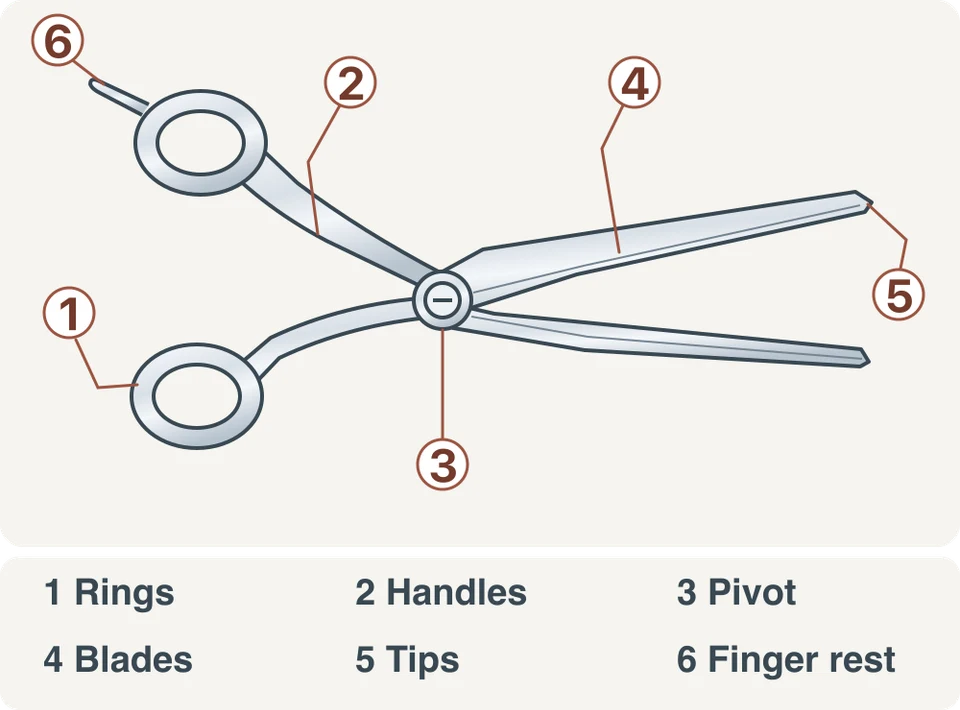
What you feel at the chair is the rest of the build:
- Heat treatment: how hard the maker makes the finished blade.
- Edge grind: convex, semi-convex or bevelled. The convex edge guide shows the difference.
- Blade line: Joewell says straighter blades hold hair and its curved bamboo-leaf blade suits slide cutting.
- Pivot and tension: how smoothly the blades meet through the close.
- Handle and length: whether you can put the tips where you want them.
So choose the handle and length first. Between two pairs that both fit, the harder or more wear-resistant steel is a fair tiebreaker.
Which steel should you buy?
- Apprentice or first pair: 440C. Spend what you save on a thinner and a proper case.
- Working stylist upgrading: VG-10 or ATS-314, in the handle shape you already like.
- Barber cutting dry all day: length matters more than steel. Joewell makes its CBA-1 cobalt for cutting dry hair if you want to spend there.
- Treating yourself: SG2 powder steel or cobalt-base. Buy it for the whole tool, not the steel name.
Not sure which job matters most? The steel-by-job guide matches the steel to the work you do.
Grade, family, process or pattern?
Listings mix four kinds of name, which is why “VG10 cobalt Damascus” can sound like three steels. It’s usually one.
Grade
440C, VG-10, ATS-314, SG2
One steel recipe from one steel maker. This is the name worth comparing between two pairs.
Family
Cobalt
A group, not a recipe. It can mean stainless with 1.5% cobalt or an alloy that’s half cobalt.
How it’s made
Powder or sintered steel
Steel made from fine powder. It still has a grade, such as Takefu’s SG2.
Pattern
Damascus
Layers you can see on the blade. The edge is whatever steel sits in the core.
Damascus is the look of layered steel; what cuts is the steel at the edge. Powder or sintered steel is a way of making steel, and it still has a grade, such as SG2. “Nano powder metal” is Mizutani’s name for its own powder material.
Common questions
Which steel is best for hair scissors?
There isn’t one best. 440C is plenty for a first pair, and VG-10 or ATS-314 is the usual upgrade. Harder steels such as SG2 cost more and suit stylists who’ve already found their handle and length. A pair that fits your hand beats a better steel that doesn’t.
What does HRC mean on a scissor?
It’s hardness on the Rockwell C scale. Steel makers rate these grades at about 60 for 440C, 60 or more for VG-10 and 62 or more for SG2. A higher number means a harder edge, not a better scissor.
Is Japanese steel better?
Not automatically. VG-10, ATS-314 and SG2 are Japanese grades, while 440C is made by several mills in Japan and the US. The maker’s heat treatment and finishing decide more than the country on the steel.
What is ZA-18 steel?
A cobalt stainless sold by a few US shear brands. One credits Aichi Steel, but Aichi’s blade-steel catalogue doesn’t list ZA-18, so there’s no mill datasheet to compare. We don’t stock it.
Will a harder steel need sharpening less often?
It usually wears more slowly, but drops, dry cutting and how many clients you see matter more. Book a sharpen when the pair starts folding or pushing hair, whatever it’s made of.
Next step
Torn between the two most common steels? Read VG-10 vs 440C. Know your hand, length and budget? The scissor finder shortlists pairs to match.