Cobalt Alloy Scissors, Explained
By SalonScissors editorial team Updated
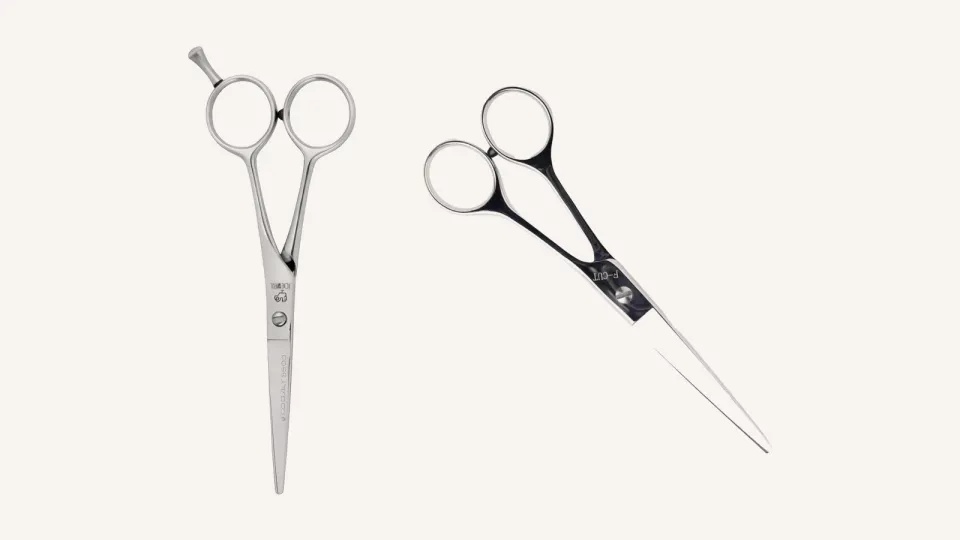
“Cobalt” on a scissor listing means one of two metals: stainless steel with a little cobalt added, or a cobalt-base alloy that’s mostly cobalt and isn’t steel at all.
How we chose: Two cobalt-base cutters and one cobalt stainless, picked on maker specs, listings and price. We sell them and haven’t run cutting tests. Prices checked 15 October 2026.
What’s the difference?
| Cobalt stainless | Cobalt-base alloy | |
|---|---|---|
| Main metal | Iron (it’s steel) | Cobalt |
| Cobalt content | About 1.5% in VG-10 | About 50% in Joewell’s CBA-1 |
| Examples | VG-10, ATS-314 | Joewell CBA-1 |
| Heat treatment | Hardened like any blade steel | Joewell says none is needed |
Sources: Takefu’s VG10 figures, Yasaka’s ATS314 description and Joewell’s material guide, with the 50% from Joewell’s cutting range.
What does Joewell say about CBA-1?
Joewell says CBA-1 is based on cobalt and also contains chrome, tungsten and carbon. Its material guide makes four claims worth knowing:
- No heat treatment. Stainless has to be quenched to harden; Joewell says its cobalt-base alloy doesn’t.
- Chemical and rust resistance. Joewell says cobalt-base alloys resist both.
- Softer but longer wearing. Joewell says they’re lower in hardness than stainless but higher in wear resistance, so they last longer overall.
- Made for dry hair. Joewell uses CBA-1 for dry cutting and a related alloy, CBA-12, for softer cutting.
Those are the maker’s claims, and they explain the price. They’re also why a cobalt-base pair isn’t a simple “harder steel” upgrade.
How can you tell which one you’ve got?
Read the material line, not the product name. Juntetsu’s Cobalt Sword, for example, lists VG10 cobalt steel, so it’s cobalt stainless despite the name.
Grade
440C, VG-10, ATS-314, SG2
One steel recipe from one steel maker. This is the name worth comparing between two pairs.
Family
Cobalt
A group, not a recipe. It can mean stainless with 1.5% cobalt or an alloy that’s half cobalt.
How it’s made
Powder or sintered steel
Steel made from fine powder. It still has a grade, such as Takefu’s SG2.
Pattern
Damascus
Layers you can see on the blade. The edge is whatever steel sits in the core.
Joewell even suggests a magnet: cobalt isn’t magnetic, so a cobalt-base blade won’t hold one, while stainless (cobalt stainless included) will. Joewell adds that some products sold as cobalt are actually stainless.
If a listing just says “cobalt alloy” and nothing else, ask us which metal it is before you pay cobalt-base money.
Who should buy cobalt-base?
Mostly stylists and barbers who cut a lot of dry hair and want an edge built for wear, which is Joewell’s own pitch. For mixed salon work, a VG-10 or ATS-314 pair gives you the cobalt-stainless benefits for less.
Check the hand before you order: our Joewell Cobalt listing doesn’t state it, so ask us if you cut left-handed.
Common questions
Is cobalt steel better for hair scissors?
Cobalt stainless, such as VG-10, is a good mid-priced upgrade from 440C. A cobalt-base alloy like Joewell’s CBA-1 is a different, dearer metal that Joewell makes for dry cutting. Neither beats a pair that fits your hand.
Is VG-10 a cobalt alloy?
It’s a cobalt stainless steel: about 1.5% cobalt in Takefu’s figures. That’s why listings call it cobalt steel. It isn’t a cobalt-base alloy.
Are cobalt scissors magnetic?
Cobalt stainless is. Joewell says cobalt isn’t magnetic, so its cobalt-base CBA-1 blades won’t hold a magnet the way stainless does.
Do cobalt scissors rust?
Joewell says its cobalt-base alloy resists rust and chemicals. Cobalt stainless resists rust too, but no stainless is rust-proof. Wipe and dry either kind after every client.
Next step
Weighing cobalt stainless against plain stainless? VG-10 vs 440C sets them side by side, or compare every steel in the steel guide.