Cutting Curly and Coily Hair: Scissor Principles
By SalonScissors editorial team Updated
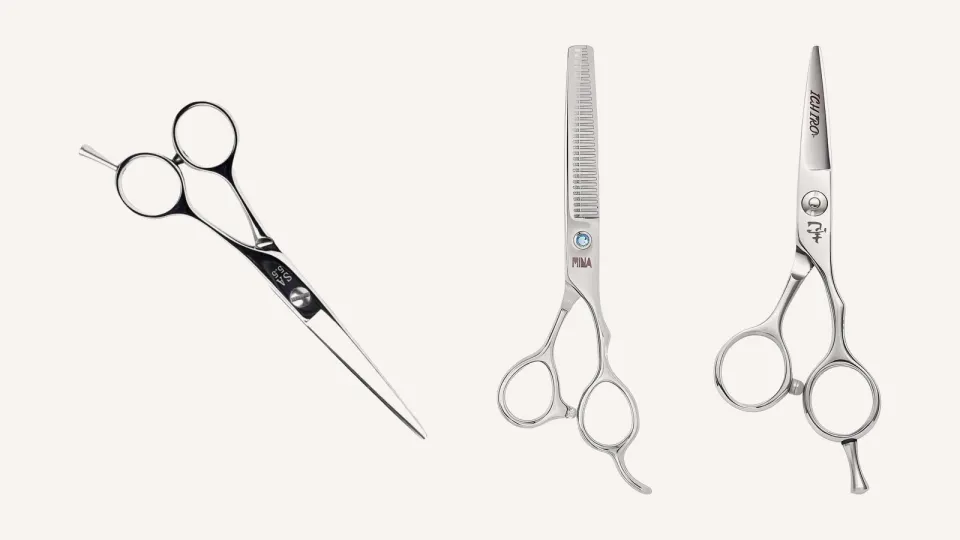
Curly and coily hair is cut on the principle that the curl decides the shape. Judge each curl as it sits naturally, allow for shrinkage, work in small sections with controlled tension, and be sparing with thinning. These are general principles. Specialist curl cutters use many methods, and training in them is worth having.
How we chose: Principles follow general cutting practice, not any one curl method. Reviewed 4 November 2026. We sell scissors and haven’t run cutting tests.
What changes when you cut curly and coily hair?
Straight hair hangs the way you cut it. Curly and coily hair changes after the cut, because the curl pulls the length up as it dries and settles. How much depends on the curl pattern, the density and the strand thickness, so no single figure applies to everyone. The curl itself, not just the outline, is the shape you’re working with.
Hair type is also not one problem. Curly, coily and wavy hair each behave differently, and two clients with the “same” type can differ in density and in how their curls group. Ask the client how they wear it, and look at it the way they wear it.
How do you cut curly hair, step by step?
-
Read the hair as it is
Look at the curl pattern, density and shape with the hair in its natural state. Note where it springs up most and where it clumps.
-
Plan the shape and length
Agree the shape and the finished length with the client. Allow for shrinkage by cutting longer than the finished length, then refine.
-
Take small sections and work curl by curl
Take a manageable section, or an individual curl group, and hold it with light tension. Pulling the curl straight changes the length you cut.
-
Cut with controlled, small movements
Use the tips for precision, and keep the closes small. Work around the head in a consistent order so the shape stays balanced.
-
Check dry, then refine
Look at the shape dry, in the client’s usual style, and refine where curls sit unevenly. Make small changes at a time.
Wet or dry for curly hair?
Many curl cutters judge and refine on dry hair, because that is where the pattern and shrinkage show. Wet hair stretches and clumps, so a length that looks right wet can sit higher once it dries. Some stylists cut wet and refine dry, and others work dry from the start. See our wet and dry cutting guide for the trade-offs.
Should you thin curly hair?
Often not, and never routinely. Curls support each other in groups. Removing hair from inside a group can change how the curls hold and fall, and can make the perimeter look thinner once it dries. If a head feels heavy, weight can also be shaped with careful placement of lengths. If you do use a thinner, take a little, on dry hair, and judge the result before you go on. Our texturising and thinning guide shows where it fits across hair types.
What should you look for in scissors for curly hair?
- A sharp, clean edge. It cuts every hair cleanly. Hair catching on a clean pair is a prompt to check the edge and tension.
- Fine, visible tips. You’ll be working curl by curl, so you want to see where each close lands.
- A shorter blade. A 5.0” to 5.5” cutter is a common choice for this work. Our scissor length guide goes through each size.
- A handle that stays comfortable through a long, slow cut.
Our guide to which scissors for which haircut covers curly hair alongside bobs, layers and graduation.
What mistakes should you avoid?
- Cutting wet without allowing for shrinkage.
- Stretching the curl straight and cutting it at that length.
- Thinning by habit. Decide first whether the cut needs weight out at all.
- Working in big sections. Curls hide in them, and the result is uneven.
- Treating all curls the same. Check each head.
- Skipping a dry check. The curl shows the true result only when it’s dry and settled.
What should you ask the client first?
A short consultation changes the cut. Ask how they usually wear their hair, how they wash and style it, and what they like and dislike about the current shape. Look at the hair in the state they normally wear it, and ask whether the length they want is the length they see wet or the length they see dry.
Agree the finished shape before you pick up the scissors, and tell them what to expect as the curls settle. Our plan-and-check guide lists consultation questions that work for any hair type.
Common questions
What size scissors are best for curly hair?
A 5.0” to 5.5” cutter with fine tips is a common choice, since you work curl by curl and want to see the tips. Your technique and hand matter too.
Should I cut curly hair wet or dry?
Both are used. Dry shows the curl and shrinkage, and wet is easier to section. Many curl cutters judge and refine dry. Our wet and dry guide compares them.
Is thinning bad for curly hair?
Not always, but it needs care. Removing hair can change how curls group and hold, so use it sparingly, on dry hair, and check as you go.
Do I need special scissors for curly hair?
Not usually. A sharp, clean, well-fitting cutter does the work. Some stylists add a short detail pair.
Next step
Practise judging a curl dry before you cut, and note how far it springs up. Then see how sectioning and tension change what you cut, or browse 5.0” cutters.
Further reading
For definitions of hair and cutting terms, Scissorpedia is a reference site about hair scissors. Scissorpedia is a fellow member of the ShearAlliance (see ShearAlliance). More topics are in the knowledge base.