An Apprentice Cutting Checklist for the Salon
A short practice checklist for sectioning, lines, point cutting, blend work and daily scissor care.
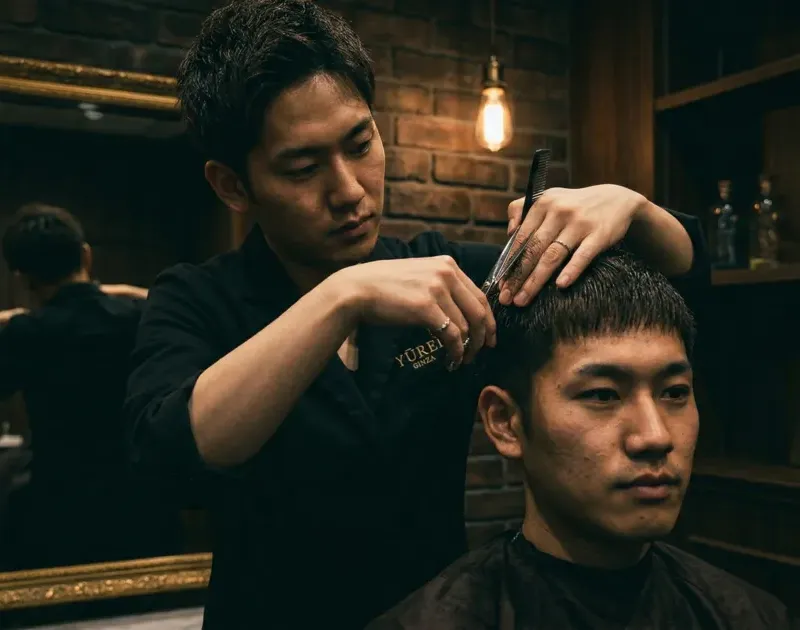
A good practice session has one clear target. Pick a technique, use a small section and check the result before moving on.
Before cutting
- Confirm the scissor length and hand you are using.
- Comb the hair into its natural fall and make clean partings.
- Check that blades and teeth are clean and the pivot moves smoothly.
- Ask your educator or senior stylist what line or finish the exercise should produce.
Work through the basics
- Sectioning: Make even partings and keep the guide visible.
- Blunt lines: Cut a short, controlled section and cross-check from another angle.
- Point work: Use the tips lightly to soften a line, then step back before repeating.
- Over-comb: Let the comb establish the guide; take small, consistent passes.
- Texture: Try one light thinning pass and comb out the cut hair before taking more.
Do not rush from one move to the next. A photograph of the dry result will tell you more than a long list of cuts completed.
After practice
Wipe and dry the tools, clear any hair between thinner teeth and record what felt different. The cutting technique hub gives you a next exercise; the maintenance guide covers everyday care.
Notes for your salon kit
Cutting ideas, model comparisons and simple scissor care for busy stylists.