New Salon Scissors? What to Check Before the First Cut
Unboxing a new pair? Check the model, size and hand against your order, look over the blades, wipe off any factory oil and keep the box and paperwork.
By SalonScissors editorial team Updated
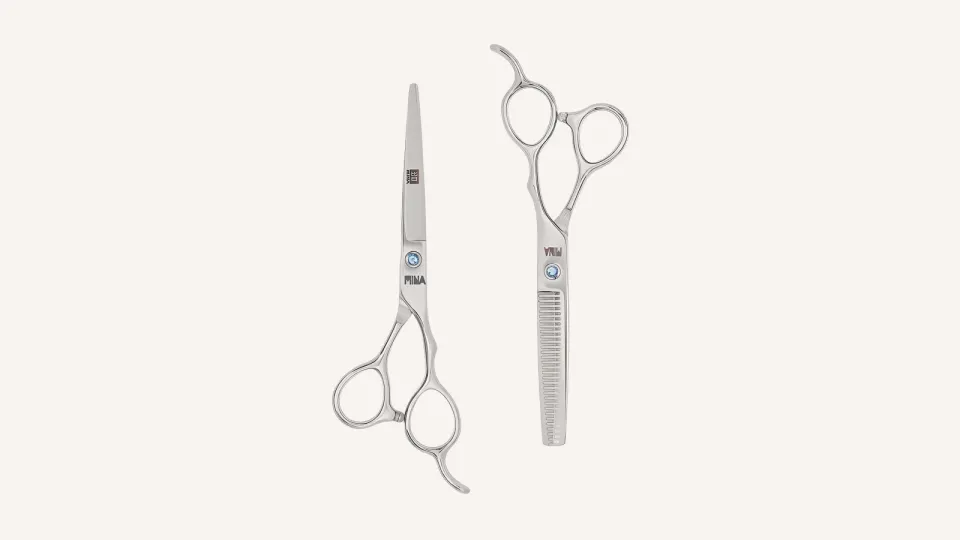
Give a new pair a few minutes before it meets a client. You’re checking it’s the pair you ordered, that it arrived in one piece and that you know how its maker wants it cared for.
How to check new scissors
-
Photograph a damaged parcel first
If the box is crushed or wet, take a photo before you open it, then keep all the packing.
-
Check it against your order
Brand, model, size and hand. For a set, check each piece: the cutter size can change by option while the thinner stays the same.
-
Open and close it gently
Without cutting hair, open and close it a few times. If it grinds, catches or resists, stop there.
Don’t cut with it until you’re sure
Our change-of-mind returns need the pair unused and undamaged, in its original packaging with every accessory and paper, and a request within 14 days of delivery. Scissors used or tested on hair can’t go back for change of mind.
A fault is different. The ACCC explains your rights, and you don’t need the original packaging for those. Not sure the fit is right? The first-use fit check helps you decide without cutting hair.
Something’s not right?
Keep the pair closed and protected, and don’t adjust the tension or try to fix it. Contact us with your order number, what you expected and what arrived. These three photos help:
-
The whole pair
The complete scissors in good light. Add a shot of the box or packing if it was damaged.
-
The markings
A close-up of the model name or code on the blade, so we can match it to your order.
-
The problem spot
A close-up of the nick, mark or part you’re asking about. Keep your fingers clear of the edge.
Wait for our reply before you post anything back.
Keep a record
Fill this in while the box is still open. It downloads as a text file you can keep with your invoice.
Your arrival record
Note what you ordered, what arrived and anything you noticed. Tap Prepare record, then download your copy.
Fill in the ordered option and received contents, then prepare your record.
You can also download a blank record and complete it in your text editor.
Nothing is sent or saved from this page, so download your copy. Send any question and photos to us separately.
Wondering whether a pair is genuine? The authenticity checklist covers markings, paperwork and who to ask.
Common questions
Why are my new scissors oily?
Some makers ship them oiled to protect the steel. Joewell does, and says to wipe the oil off before the first cut.
Should I adjust the tension on a new pair?
Not straight away. Check what your maker says first, and if it grinds or catches out of the box, contact us before you turn anything.
Can I try them on hair before deciding?
Not if you might return them for change of mind. Scissors used or tested on hair are excluded, so check the fit dry first.
The thinner looks different from the photo. Is that right?
Maybe. A set’s photo can show a different size from the option you chose. Compare it with your order, and ask us if it doesn’t match.
Next step
Happy with it? Check the fit before your first client with the first-use fit check.
Comparing scissors for your kit?
Tell us what you cut and which scissors you are comparing.
Useful next reading
Read all blog posts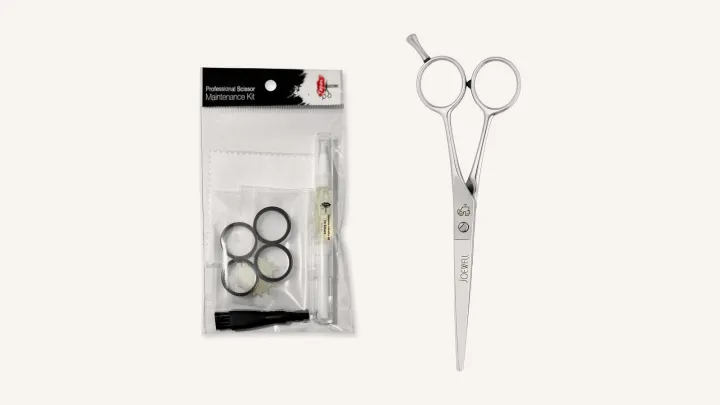
How to Clean Hair Scissors: Daily Routine and Oiling
Clean hair scissors after every client: brush off the hair, wipe and clean the blades, dry the pivot and store them closed. Plus when to oil them.
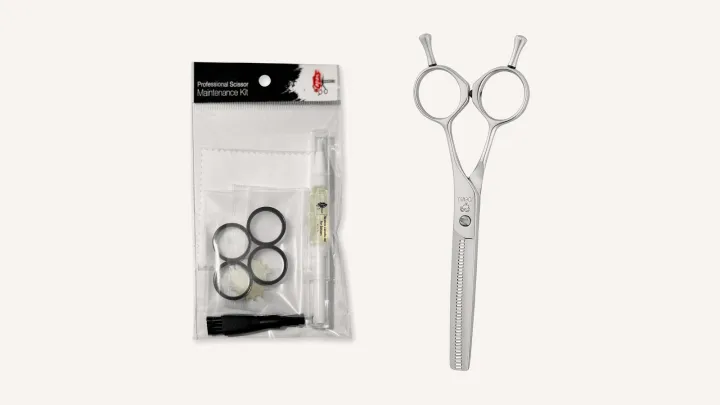
10 Hair Scissor Care Mistakes and What to Do Instead
Soaking, bleach, a damp case, guessing the oil, chasing the tension screw: 10 everyday scissor care mistakes and the simple habit that fixes each one.