Cutting Wigs and Synthetic Hair: Why It Needs Different Scissors
By SalonScissors editorial team Updated
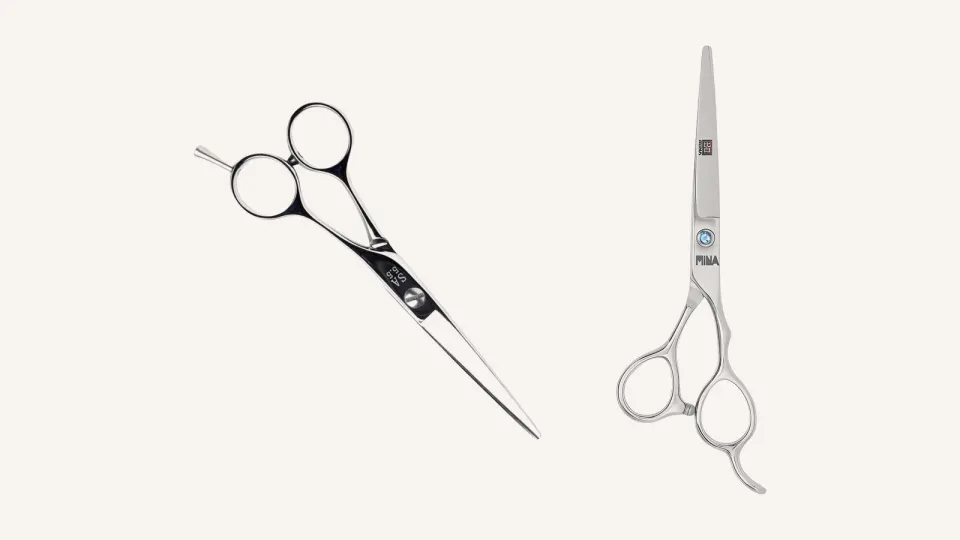
Wig and extension work often means cutting more than hair. You may meet synthetic fibre, lace, wefts, tape, bonds and clips. Your everyday hair scissors were made for hair, so the simplest habit is to give wig work its own pair and keep your main scissors for clients.
How we chose: Advice follows general cutting practice and what some wig tool makers recommend. Reviewed 4 November 2026. We sell scissors and haven’t run cutting tests.
Why do wigs and synthetic hair need different scissors?
Because they’re different from the human hair your scissors were designed for. Professional hair scissors are made and sold for hair services. Tape, fabric, metal, wire and many synthetic fibres differ from hair, and they can contaminate or damage a fine edge.
Some makers of specialist wig tools recommend a separate pair, so your expensive everyday scissors don’t take the wear. It’s a sensible precaution. We haven’t found a controlled comparison of how quickly synthetic fibre dulls an edge, so treat it as a habit that protects your main pair.
What should you keep apart?
Split wig work into three jobs, and use the right tool for each.
| Material | What it is | Tool note |
|---|---|---|
| Hair fibre | Human hair or synthetic fibre on the unit | A dedicated wig cutting pair, or the pair your wig maker recommends |
| Lace | The cap material at the front or hairline | A tool made for lace. Some makers sell pinking-style scissors for this |
| Structural parts | Wefts, tape, bonds, clips, elastic, wire and knots | Don’t cut these unless the maker’s instructions say how, and with what |
A texturising scissor with teeth isn’t a lace tool, and a lace-trimming tool isn’t a thinning scissor. They look alike but do different jobs, so don’t swap them. Our types of scissors post shows what each one is built for.
Cutting a structural part can change how a unit fits, holds or sheds, and the damage can’t be undone. If you’re unsure, stop and read the maker’s customisation guide.
How do you cut a wig or synthetic piece safely?
-
Identify the material
Check whether it’s human hair, a heat-friendly synthetic or another fibre, and note how the cap or attachment is built.
-
Read the maker’s instructions
Human, synthetic and blended products can have different limits for cutting and heat.
-
Stabilise the unit
Do it the way its maker directs, for example on a head form.
-
Cut hair only with your wig pair
Keep lace and hardware cuts for the right tool.
-
Clean and dry the wig pair
Do it after every use, the same as your everyday scissors. The care guide has the routine.
For practice, a training head with human hair behaves more like a client than a synthetic one does, so it’s the better choice when you want realistic cutting practice.
When is a dedicated wig pair worth it?
A dedicated pair earns its place when wig or extension work is a regular part of your week. If you only trim a human-hair piece now and then, and the maker’s instructions allow it, your everyday pair can do the hair itself, as long as lace, tape and hardware never touch it. If you’re unsure which case you’re in, ask the wig maker what they recommend for that unit.
What if your main scissors feel dull after wig work?
Don’t assume the wig is the only cause. Check the common culprits first, using the steps in our dull scissors post:
- Tension that has loosened
- Residue or product at the pivot
- Corrosion
- A drop or knock
- Edge damage or alignment
If hair or fibre still folds, pushes, snags or needs extra force, stop using the pair and ask a qualified professional sharpener to assess the edge and alignment. If one spot catches every time, read what to do about a nick. Don’t try to fix an edge yourself.
There’s no fixed service interval for scissors used on synthetic work. Keep a simple note of how many services you do between checks, and book a professional check when the performance changes. Our guide to what to ask a sharpener will help.
Common questions
Can I cut a human-hair wig with my normal scissors?
Hair is the material they were made for, but a wig cap, lace or hardware isn’t. Follow the wig maker’s instructions and keep non-hair cuts for another tool.
Is there one scissor for all wigs and extensions?
No. Wig and extension work is a mixed field. Hair cutting, texturising and lace cutting are different jobs, and we haven’t found a standard pair for extensions.
Does synthetic hair ruin scissors?
We can’t promise either way. It’s a material your hair scissors weren’t made for, so a separate pair is a sensible precaution.
Which steel should a wig pair use?
No source we’ve found shows that one steel, edge or price level suits all synthetic work. Check what the maker says the tool is for.
Next step
Setting up a second pair? The backup scissor plan covers matching hand, size and handle, and the cutting scissors range lists the sizes and hands.
Further reading
For a reference on scissor types and materials, Scissorpedia is an information site about hair scissors. SalonScissors is part of the ShearAlliance, working with other trusted scissor websites. More topics are in the knowledge base.